Bourne Youth Council Coloring Book
Bourne Youth Council Coloring Book Butterfly Images
Welcome! If you’ve been lucky enough to snag the Bourne Youth Council’s Coloring Book, here are the butterflies that inspired those drawings! Visit the Bourne Youth Council at https://bourneyouthcouncil.com/

Our Logo
Can you guess what butterflies appear in our logo?
It’s the Eastern Tiger Swallowtail & the Monarch.
Eastern Tiger Swallowtails are great at gliding and known for flying high in the forest canopy. Monarchs are famous for their multi-generational migration, and their toxicity to birds (thanks to milkweed).
Host plants:
Eastern- wild cherry, ash, tulip trees, willow, magnolia
Monarchs- milkweed
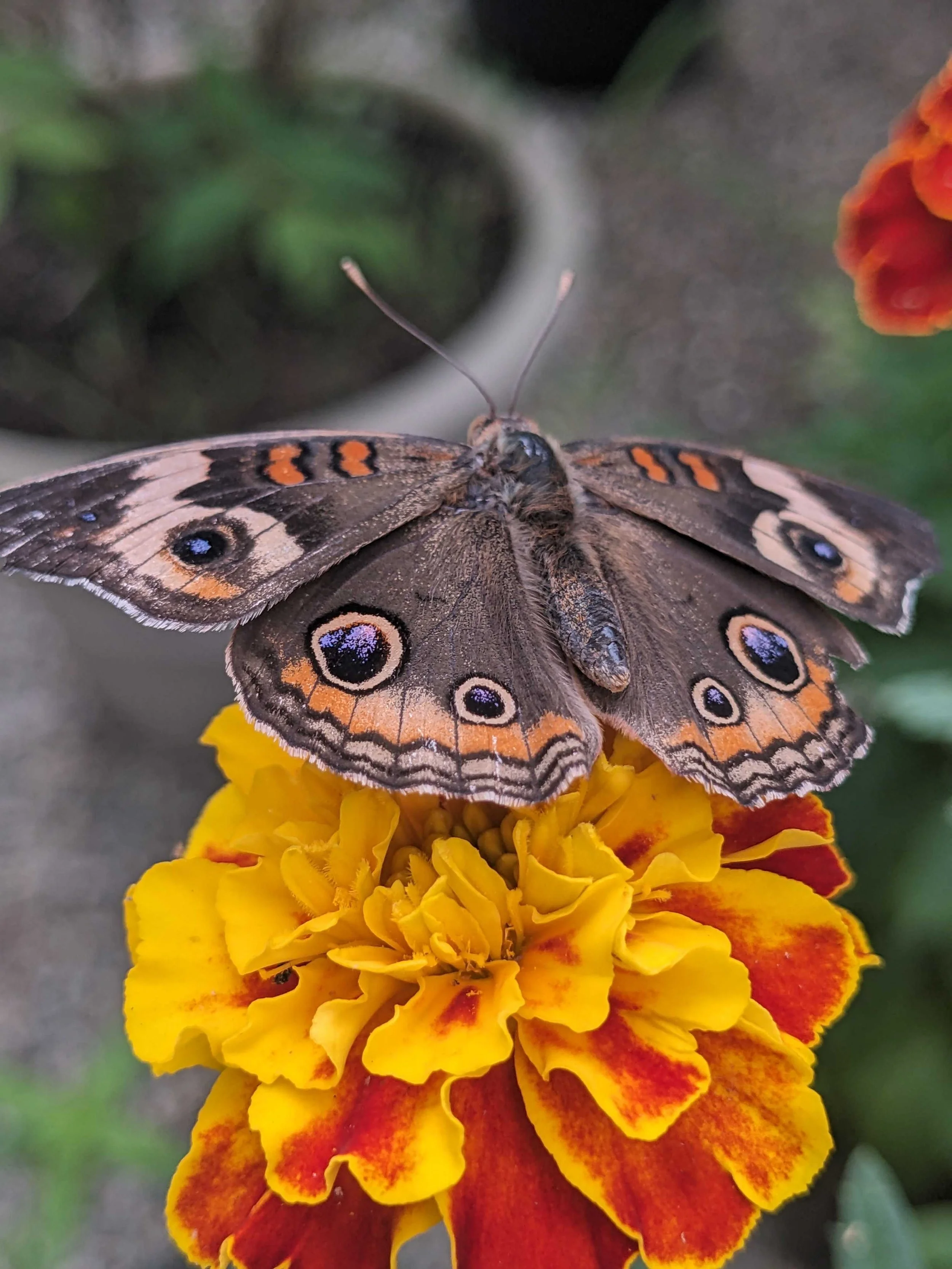
The Common Buckeye
Look at those spots? Do they look like eyes? The “fake eyes” on the Common Buckeye are meant to trick predators into thinking it is a bigger animal! The eye spots have hints of beautiful, bright colors!
Host plants: plants in the plantain family, snap dragons, toad flax
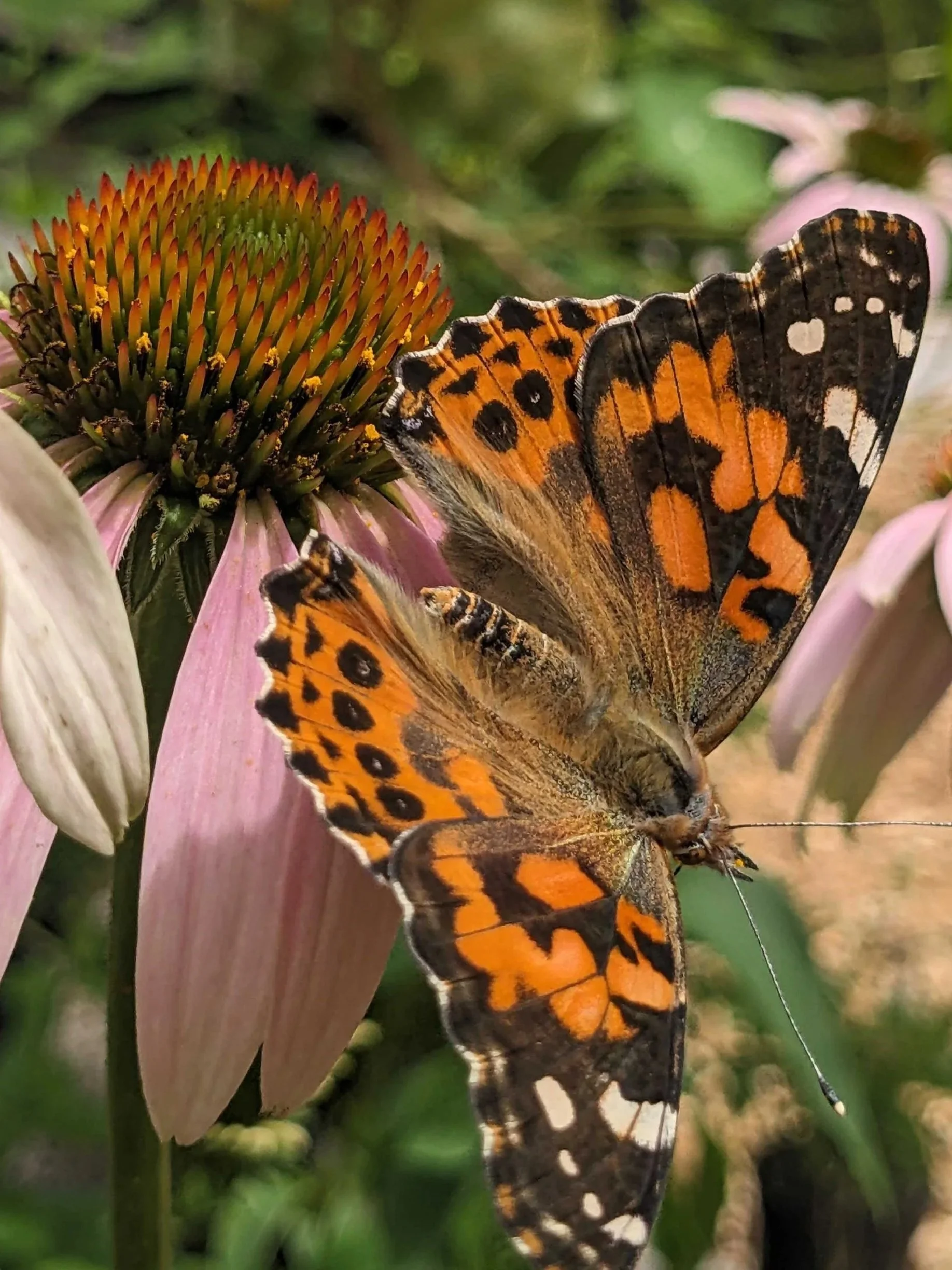
Painted Lady
Painted Lady butterflies are the most widespread butterflies in the world. You can find them in North America, Europe, Africa, and Asia! You can find them in gardens, fields, and meadows.
Host Plants: thistle, hollyhock, sunflowers, mallows and many more.
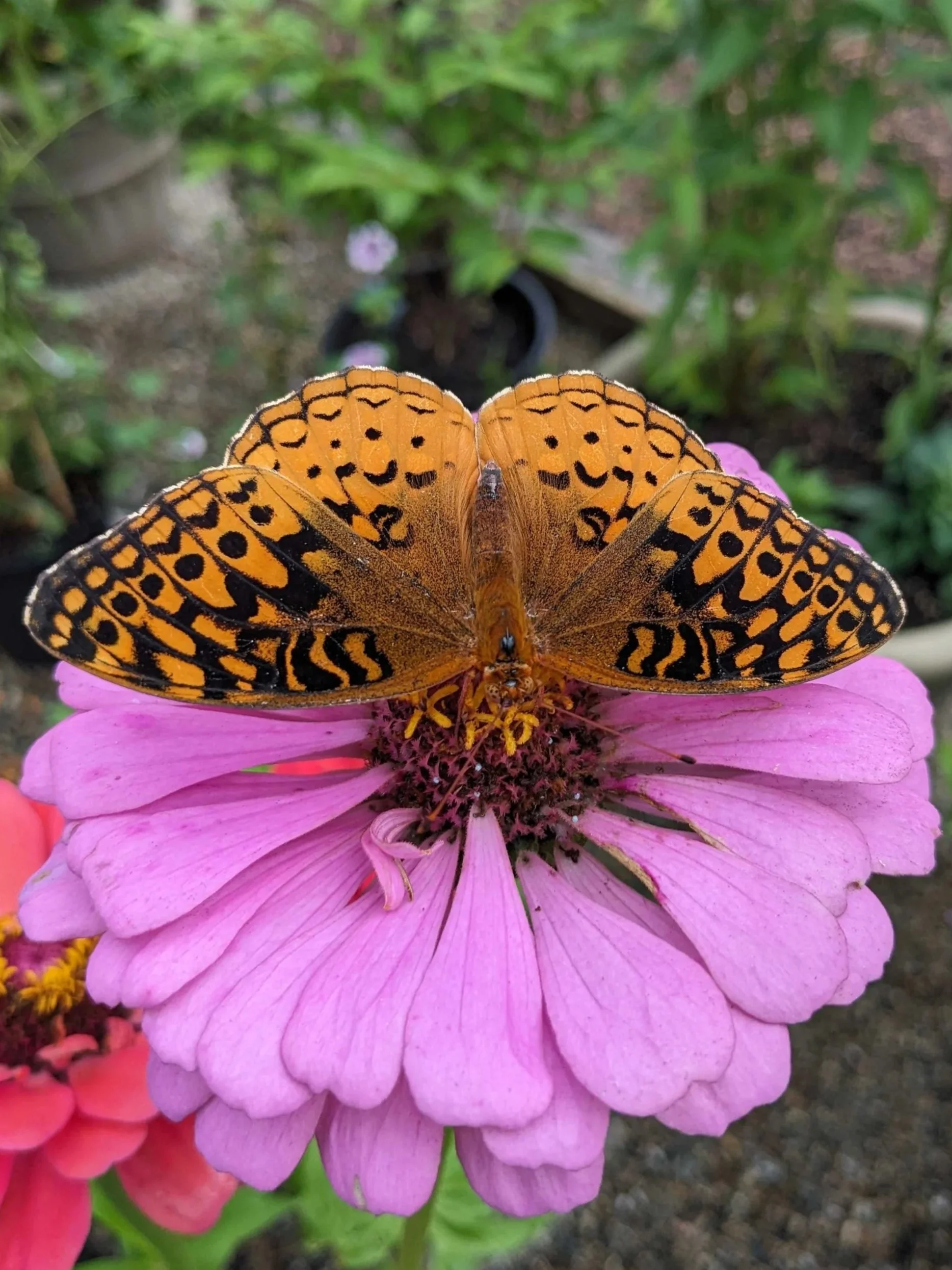
Great Spangled Fritillary
The adult life stage of the Great Spangled Fritillary can last for several months, making it one of the longest-lived butterflies. Males tend to be smaller but much brighter.
Host plants: violets
Pipevine Swallowtail
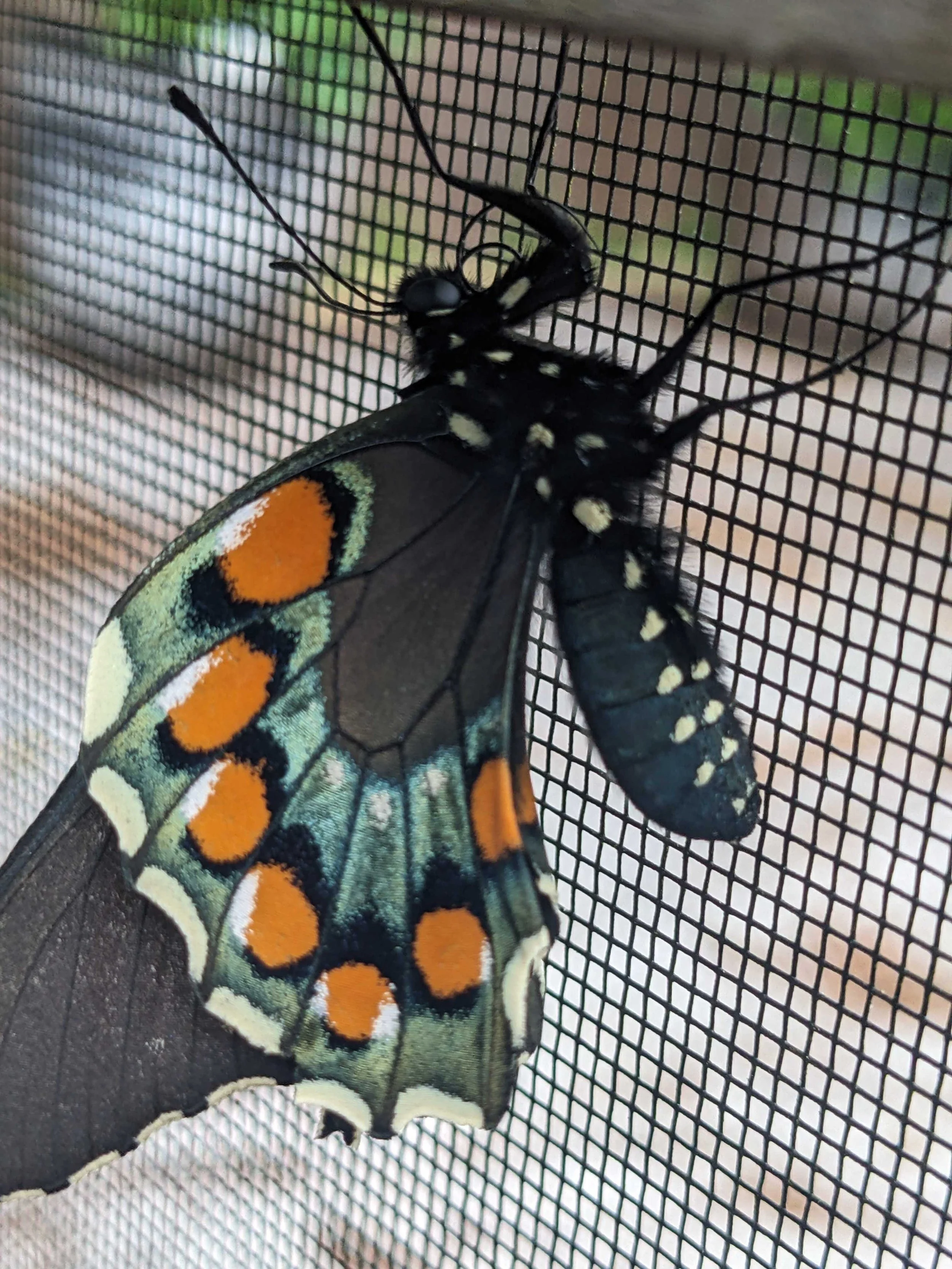
Pipevine Swallowtails eat, and store in their bodies, a toxin from the Pipevine plant. This toxin makes them foul-tasting and toxic for predators. The bright coloration on the underside of their wings alert predators to this.
Host plants: Pipevine
Red Admiral
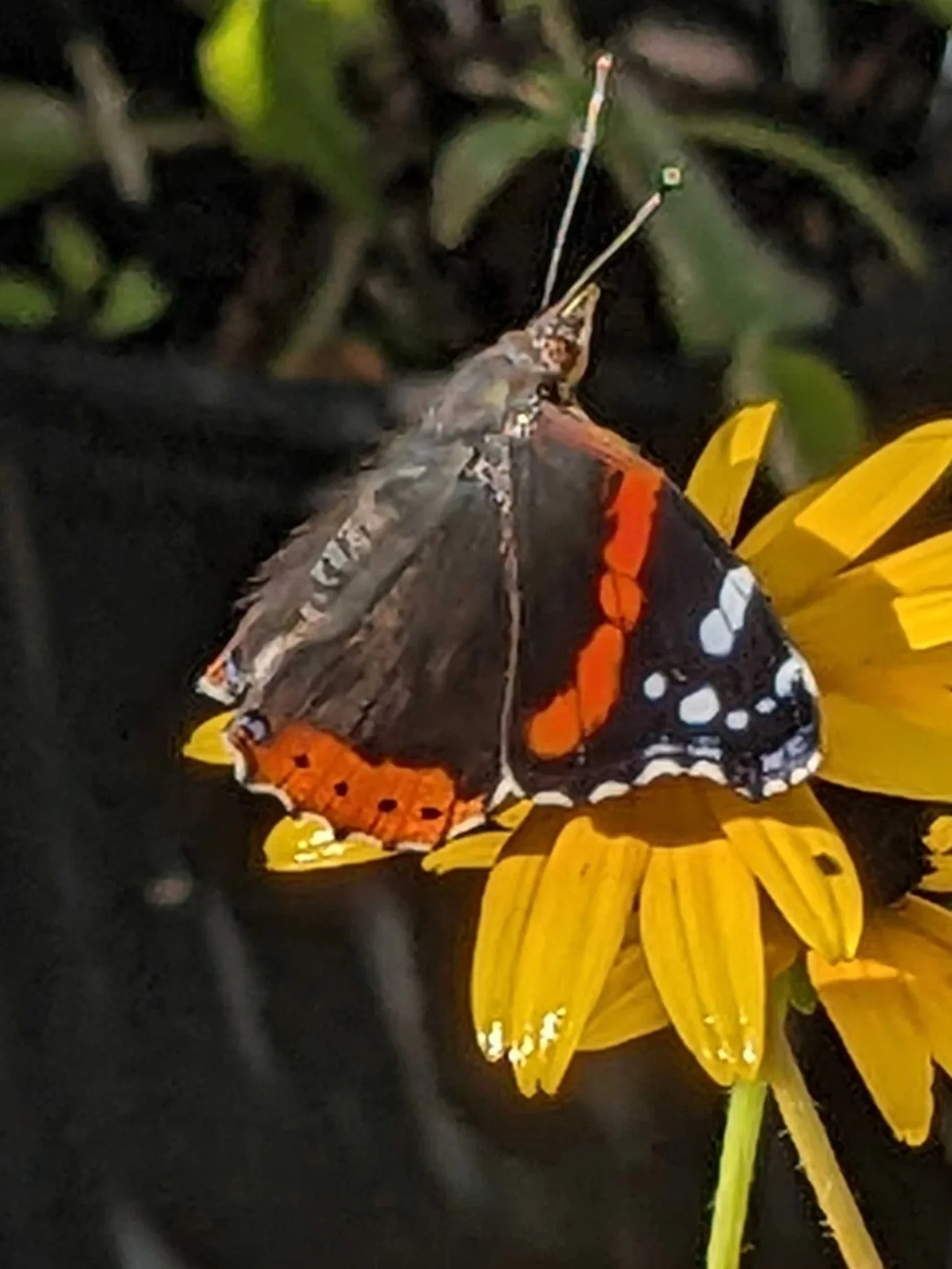
Red Admirals are known for their inquisitive and people-friendly behavior, but also their varied diet. In addition to flower nectar, they eat rotting fruit, tree sap and animal scat.
Host plants: nettles
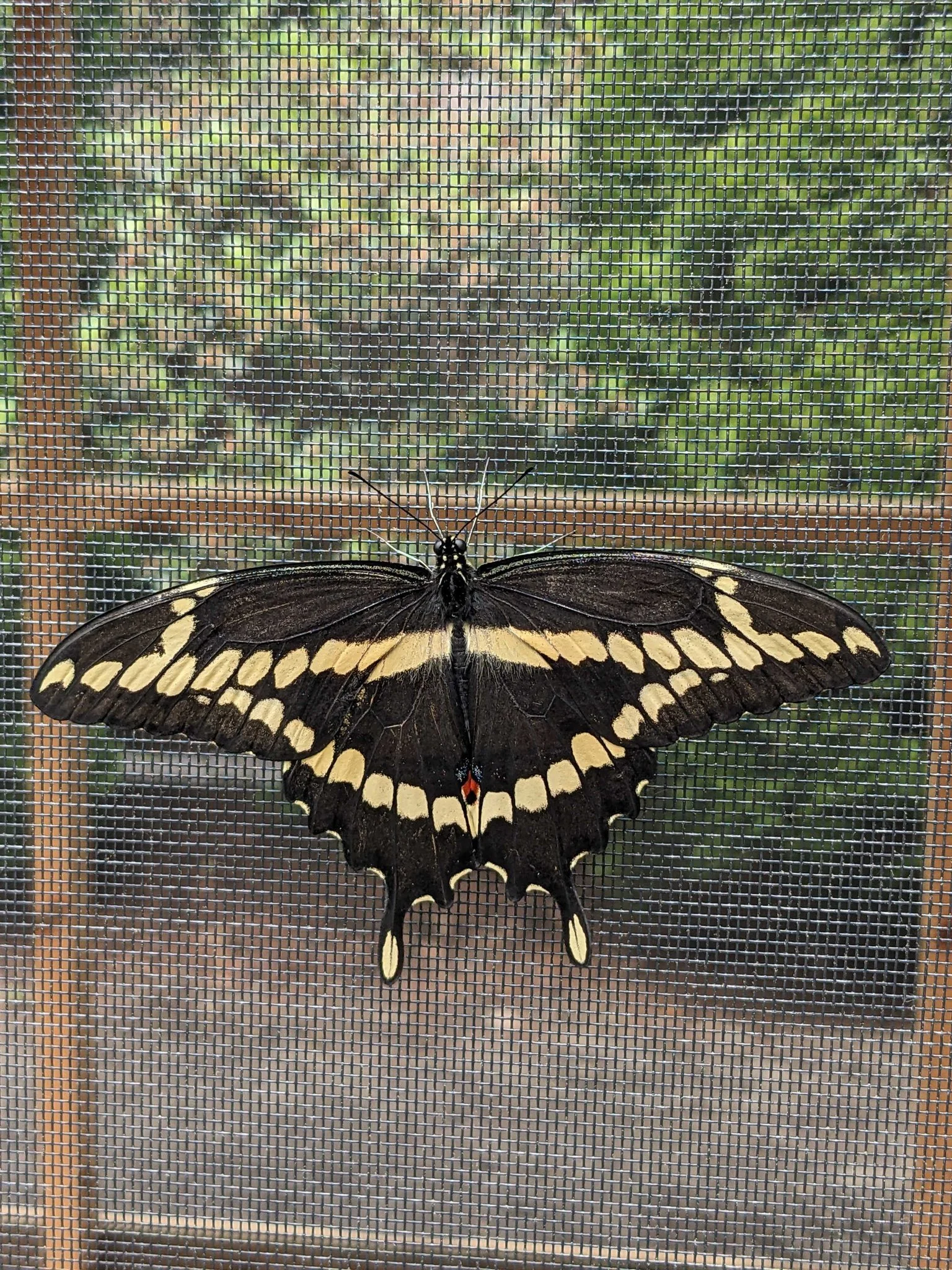
Giant Swallowtail
Giant Swallowtails can be distinguished from other large butterflies by their flight pattern, which is a powerful deep wing beat- instead of the normal fluttering. In addition, they have a distinct small yellow spot in the wider part of their long tail.
Host plants: citrus plants (including hops, wafer ash and prickly ash)